
Time of the visit: the 30th of nov. and the 1st of dec.,2025( 2 nights)
It's a living showcase of the first and longest-lasting meeting between China and the West. The fusion of architectural styles (Southern European, Chinese, and uniquely Macanese) is still visible, tangible, and part of the city's daily life in its old town.Other parts of Macao look like a typical modern Chinese city.
Macao's Historic Centre contains a total of 22 main buildings and 8 public squares that make up the World Heritage site. These landmarks are connected through a network of streets and squares, forming a kind of open-air museum that tells the story of over 400 years of cultural exchange.
There are religious sites like the
· A-Ma Temple: One of the oldest temples in Macao, dedicated to the sea goddess Mazu.(totally overcrowded with tourists)
· Ruins of St. Paul's: The iconic facade of what was the largest Catholic church in East Asia.(overrun with tourists)
· St. Dominic's Church: A 17th-century Baroque church.
· St. Augustine's Church: A church with a significant history in the community.
· St. Lawrence's Church: One of Macao's oldest parishes.( a beautiful church which offers peace and a quiet outside area ..next to it is place to have a take-out coffee,my favourite church)
· St. Joseph's Seminary and Church: Known for its architectural and historical importance.
· Cathedral: The main church of the Macao diocese.
· St. Anthony's Church: Traditionally the first church established by the Portuguese.
· Na Tcha Temple: A small, traditional Chinese temple.
· Sam Kai Vui Kun (Kuan Tai Temple): A historic temple and former merchants' guildhall.
There are civic and public buildings like the
· Senado Square : The historic civic heart of Macao, featuring the former municipal chamber.
· Holy House of Mercy: A charitable institution with significant historical architecture.
· Dom Pedro V Theatre: A 19th-century, European-style theatre.( bizarre exhibition inside as well as two of the weirdest rooms I ve ever seen ..full of knick-knacks, unusual items, strange objects... as well as an old couple and a live bird that is delighted by every visitor. .surreal).
•Sir Robert Ho Tung Library: A public library housed in a historic mansion.(had a coffee there)
•Moorish Barracks: A distinctive building reflecting Moghul architectural influence.( closed to the public,but nice from the outside)
•Mandarin's House: The former family home of Chinese thinker Zheng Guanying.(my personal highlight of all the components, fascinating history, especially after the owner family had moved out
•Lou Kau Mansion: The residence of a prominent Chinese merchant.
•Casa Garden: An 18th-century mansion and former garden estate.
There are public squares like the
· Lilau Square: One of the first Portuguese residential squares.
· St. Augustine's Square: A public square connecting several heritage buildings.
· Protestant Cemetery: A historic cemetery adjacent to the Old Protestant Chapel.( didn't visit this component)
There are military fortifications like the
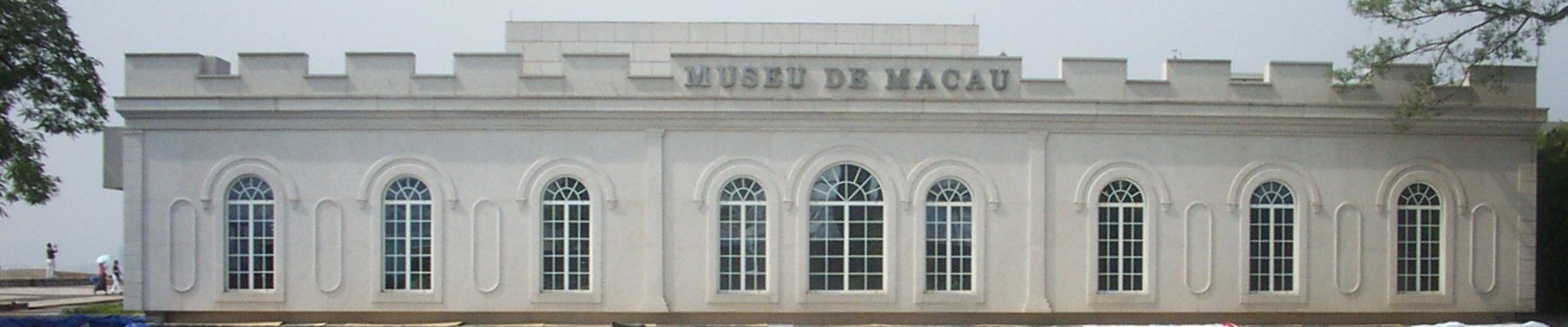
· Mount Fortress: A 17th-century fort that now houses the Macao Museum.( mildly interesting) I
· Section of the Old City Walls: Remnants of Macao's historical defenses.
· Guia Fortress (including Guia Chapel and Lighthouse): Contains the oldest modern lighthouse on the Chinese coast.(wonderful views from there)
I visited most of the single components,none of them is truly outstanding in any way.Nevertheless, as a whole composition they are very interesting.I had the luck to stay just a stone's throw away from the Senado square.Therefore I strolled several times through the area between the Senado square and the Mazu-temple.I only once visited the fortress area and the ruins of St.Paul.
All in all Macao and its world heritage are pleasant to visit and its fusion of Chinese and Portuguese architecture,food and up to a small degree, culture is fascinating.
Unfortunately, everything is overshadowed by mass tourism and the many visitors from mainland China, who, although mostly only interested in the casinos or buying goods, are so numerous that you feel it almost everywhere. Luckily, I had the Mandarin House almost entirely to myself.I also saw some closed Portuguese and fusion restaurants.I guess the mainland Chinese are not interested in Macanian or Portuguese food.One local told me that half of the workers in many fields dont speak Cantonese as they are immigrants from mainland China ..mostly speaking Mandarin.Macao is on the way to become more and more Chinese and less and less Cantonese-Macanian-Portuguese.
Comments
No comments yet.