
Time of the visit in Melaka: 20th-22nd of dec.,2025
Time of the visit in Georgetown: 26th-28th of dec.,2025
Melaka and Georgetown, on Malaysia's west coast, are historic port cities jointly inscribed as a UNESCO World Heritage Site under the title "Melaka and George Town, Historic Cities of the Straits of Malacca."
Melaka showcases a colonial legacy with Dutch-era buildings (like the Red Square and Stadthuys), Portuguese ruins, and British influences. Its riverside core reflects centuries of trade and cultural fusion.There is even a so- called Portuguese Settlement where a kind of Portuguese is spoken till our days.It comes alive spectacularly during Christmas, when the entire settlement is decorated with lights. I had a wonderful evening there enjoying excellent sea food and marvelling at the fantastic Christmas decoration.
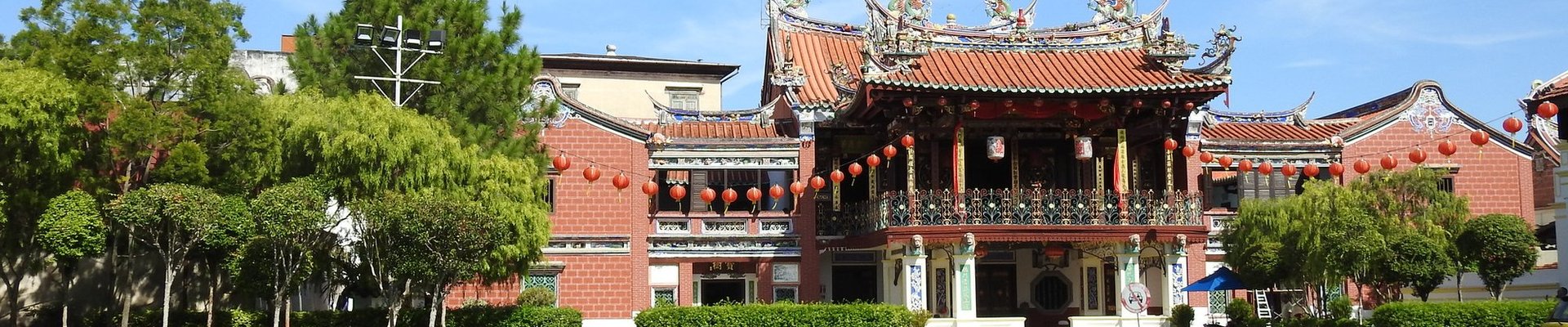
Georgetown, the capital of Penang, is celebrated for its well-preserved shophouses, vibrant street art, and exceptional cultural tapestry. Its streets reveal Chinese clan houses, Indian temples, mosques, Christian churches, Buddhist temples ,and British colonial architecture as well as Chinese clan settlements on water( jetties).
Melaka is about colonial history and empires, while Georgetown is about living culture, communities, and urban heritage,and last but not least delicious food.. Together, they represent over 500 years of trade and cultural exchange in Southeast Asia.
The two cities complement each other quite well, as they cover different aspects of cultural fusion.
If forced to choose, I would personally prefer Melaka, but this is purely subjective.
The core UNESCO zone covers Melaka's historic center, including St. Paul's Hill, the Dutch Square, and the old town streets along the Melaka River.
I used Kyle Magnuson's excellent review and the places he mentioned( religious points of interest, fortifications,museums,and so on) as a kind of framework to explore Melaka. I marked all his locations on my offline maps.me.
Melaka has much to offer to its visitors, from its night market on Jonker Street (pedestrian only, closed to motorized traffic) to the Malaka House Museum, the Baba Nyonga Museum, and its riverside promenade, which is easy to walk along. I saw Indians speaking Chinese and people in the Portuguese settlement speaking a kind of peculiar Portuguese.
The colonial narrative unfolds in a clear sequence. The Portuguese era left the ruins of A Famosa fortress gate and St. Paul's Church atop the hill, the oldest European structures in Southeast Asia. The Dutch period is marked by the iconic red buildings around the Dutch Square, namely the Stadthuys and Christ Church. The British influence is visible in later additions like the Victorian fountain and the ubiquitous shophouse architecture.The reconstructed Sultanate Palace is near the Dutch (Red) Square and is now a museum.
The true highlight is the profound multicultural heritage of the Peranakan( descendants of Chinese-Malaysian)and other trade diasporas. This is seen in the exquisite Peranakan( hybrid culture Chinese-Malay) townhouses along Jonker Street, in the Cheng Hoon Teng Temple—the oldest functioning Chinese temple in Malaysia—and in the Kampung Kling Mosque, an 18th-century mosque with a unique fusion of architectural styles. This spirit of coexistence is best felt on Harmony Street, where a Chinese temple, a Hindu temple, and a mosque stand side by side.
The Melaka River, the historic lifeblood, is lined with restored warehouses and murals. Rows of traditional shophouses display a blend of Dutch, Chinese, and British influences, creating the distinctive townscape.In my opinion, a walk along both sides of the river is obligatory.
Beyond the bricks and mortar, the living culture is the soul of the site. The Peranakan Baba-Nyonya culture thrives through its distinctive cuisine, language, and customs. The Kristang community, descendants of the Portuguese, maintain their unique Eurasian identity, centered in the Portuguese Settlement.
Ultimately, what makes Melaka UNESCO-worthy is this exceptional combination: it is a living museum where the tangible evidence of colonial history coexists with the intangible, living heritage of the trading diasporas that created its unique and enduring multicultural identity. The highlight is witnessing over five hundred years of Southeast Asian history, trade, and cultural fusion compressed into a single, vibrant, and walkable townscape.I enjoyed my stay there very much.Melaka felt less touristy than Georgetown.However,the Jonker Street and the Red Square can be full with tourists.I tried both the Portuguese and the Nyonya kitchen.Recomendable.
The only non-UNESCO site in the city that I would recommend is the sunset at the new Melaka Straits Mosque (Masjid Selad) on Melaka Island. There was also a street market taking place nearby when I was there.
If time allows a visit at the Maritime museum is also recommended as there can be seen a replica of the Portuguese ship" La flor del mar".
As for Georgetown the core UNESCO zone encompasses the historic center of Penang Island, a vivid reflection of its history as a British trading port with a multicultural society of traders and settlers.
The foundation is its exceptional collection of historic buildings. These include the elegant colonial administration buildings around the Padang, such as the City Hall and the Penang Supreme Court and some other buildings or the third oldest Catholic church in Malaysia,the Church of the Assumption. More than anything, the city is defined by its unparalleled streetscapes of traditional shophouses and clan houses, representing the finest examples of this building type in the world.More so than Melaka.Fort Cornwallis was being renovated when I was there and not accessible to the public.
The city's outstanding universal value lies in its living multicultural heritage. This is tangibly expressed in its religious architecture, where the Khoo Kongsi clan house showcases breathtaking Chinese artistry, the Kapitan Keling Mosque reflects Indo-Islamic influence, and the Sri Mahamariamman Temple presents vibrant South Indian craftsmanship. These sites stand in close proximity, showing a rich mix of religions.
Georgetown’s character is fundamentally shaped by its ethnic enclaves. The distinct quarters, such as the Chinese clan jetty communities built over the water( I visited 4 out of the remaining 6), the Indian Muslim district around Little India( my accomodation was on the edge of it), and the old European commercial sector, create a mosaic of neighborhoods, each with its own atmosphere, cuisine, and daily life.
Beyond the historic fabric, the city thrives through its living cultural expressions. This includes a world-renowned street food scene with its incredible rich diversity, traditional trades and cottage industries operating within the old shophouses, and a vibrant contemporary arts movement, famously expressed through its iconic street art and graffitis and iron rod caricatures that dot the lanes.
Ultimately, what makes Georgetown UNESCO-worthy is its successful fusion of its multifaceted heritage with a dynamic, modern identity. It is not a frozen museum but a living, evolving city where its tangible architecture houses an intangible, thriving culture. The highlight is experiencing a living historic port city where East and West, tradition and creativity, and diverse communities coexist in a beautifully preserved urban environment. Both the people of Melaka and Georgetown are quite communicative and easy to talk to. An open- minded visitor can hear amazing things there about its cultural identity.
I also visited the very impressive Chinese temple complex Kek Lol Si at the outskirts of Georgetown ( buses ( 201,204,502). It should not be missed if time allows. Allow 3-4 h to see everything there.
One warning: I took the bus from Kuala Lumpur to Georgetown and back to Malaysia 's capital.A big mistake. Delays,endless traffic jams,a tedious ticket system,no toilets on board, almost no stops.A train for sure is a better option.
Comments
1 comment