I had been to Bali before, in 2009, cycled along the rice fields, visited a viewpoint overlooking Lake Batur, but had not visited one of the main inscribed water temples. On my way back from the Subantarctics, I chose Denpasar/Ubud as a stopover for a few days to break the long journey home and visit some temples as well. I visited in early December, in Bali’s rainy season, which extends from October to March. The weather was dry for most of my stay, except for some thunderstorms in the evening.
One of the advantages of visiting during the rainy season presented itself already when booking a hotel: prices go down significantly. I had a nice, modern boutique-style hotel with an extensive breakfast for 40 EUR, which usually costs 90 EUR a night. Another advantage is that the temples will not be overly crowded with tour groups and you can visit any time you like.
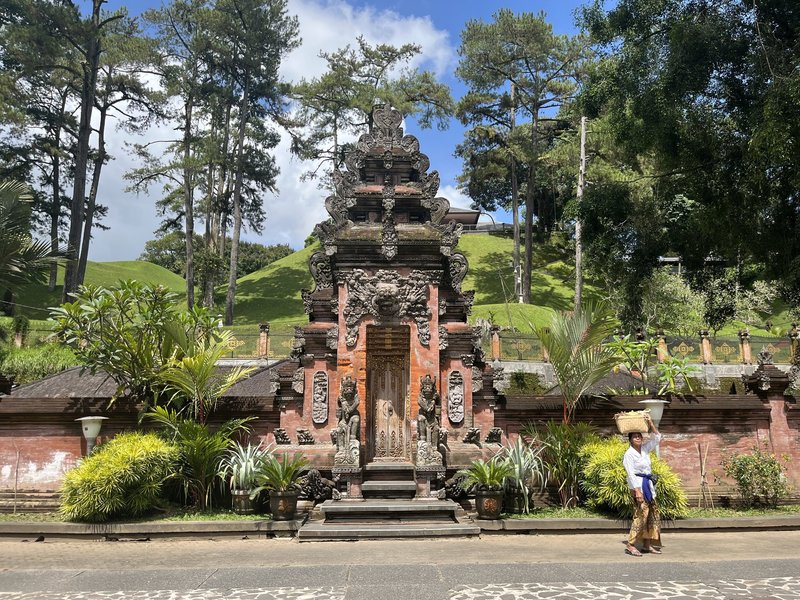
With a driver (less than 25 EUR for half a day), I visited two temples within the Pekerisan Watershed component. Both require a 75,000 IDR entrance fee (50,000 for locals):
- Pura Tirta Empul: This one receives high praise for its renowned springs and purification rituals. I just wandered around the complex for a bit, trying to find interesting bits, but there aren't many beyond the main pool. There were about a dozen foreigners taking part in the Melukat ceremony and its ceremonial cleansing under the cascading waters.
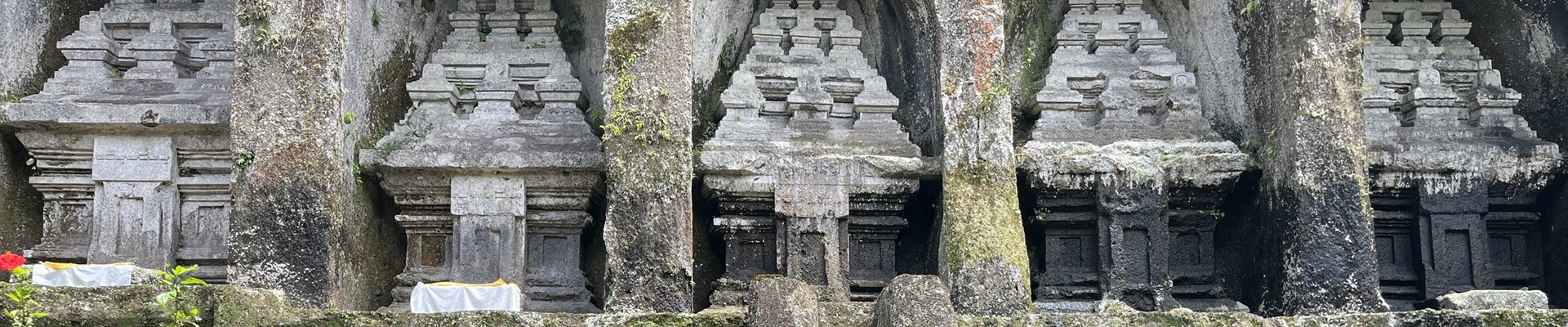
- Candi Tebing Gunung Kawi: This lies just around the corner. It does require almost 400 steps to get down to the rock carvings, so you will surely spend more time here. The setting with coconut palm trees and rice terraces is lovely and the rock carvings are unique to this area. It's great to just sit down on a stone wall and take it all in.
At neither of the locations were the sellers of souvenirs or cold drinks deterred by the lack of tourists. They just showed up to work, while it would be a miracle if one fridge magnet were sold today. Where do they come from? Maybe this is just an additional income from them in addition to the rice fields.
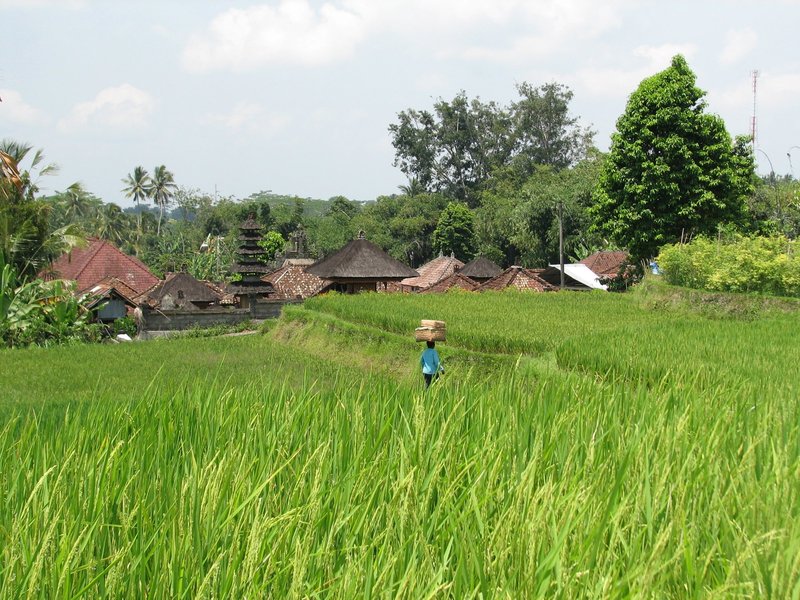
Overall, the charm of this WHS for me lies in the villages that you pass along the way and not so much in individual structures. Already right outside of Ubud (which has not aged well since my previous visit in 2009), the colourful villages with their family compounds and small temples, dotted with rice fields, dominate the landscape. We passed a wedding ceremony, Hindu-style and as large and exuberant as you will find them in India.
Comments
No comments yet.