Connected Sites
-
AB eval "In permanent bays, floating island masses of riverine vegetation are found" . The local name is "Baceiro". In the permanent "Baías" (deep lakes), these mats are thick, woody, and persist through the dry season - as result they are very important reguges for wildlife
-
"Floating reedbed islands and flooded willow woodlands provide important bird breeding areas" (UNESCO Desc)
-
"Floating mats (sudd) occur in which the dominant plant communities are sedges such as Pycreus nitidus, Oxycarium cubense; these mats may be colonized by an insectivorous plant, Drosera madagascariensis. Occasional lumps of peat are dislodged from the bottom and float to the surface due to methane production. These peat sudd islands support Xyris sp. and Utricularia sp. along with various other sedges" (Nom file)
-
"The marsh vegetation is dominated by reeds which form floating or fixed islands of decaying vegetation Reeds cover some 1,700 sq. km and the floating reed islands or 'plaur" 1,000 sq. km," (IUCN eval)
-
Crit ix "In constant movement, the floating mats of vegetation typical of the várzea watercourses include a significant number of endemic species and the largest array of electric fishes in the world.", Locally named "Matupá" theye are thick enough to support trees and drift in the deep river channels regardless of the season. (link)
-
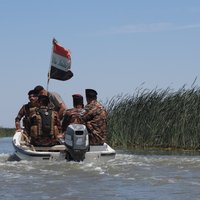
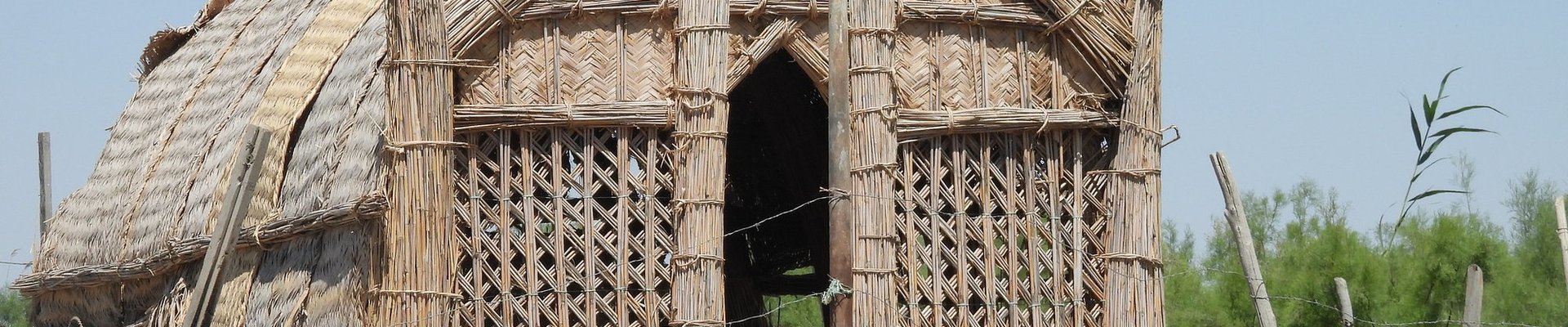
"The Marshes also stand out for the wide distribution of floating islets (chibayish) which are made of mud and reed and are used for temporary residence within the property’s water bodies".... "Their floating villages topped with reed huts, together with grand mudhifs (large reed buildings) Nom File.