Connected Sites
-
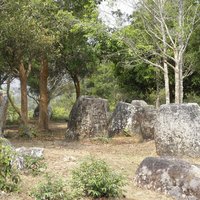
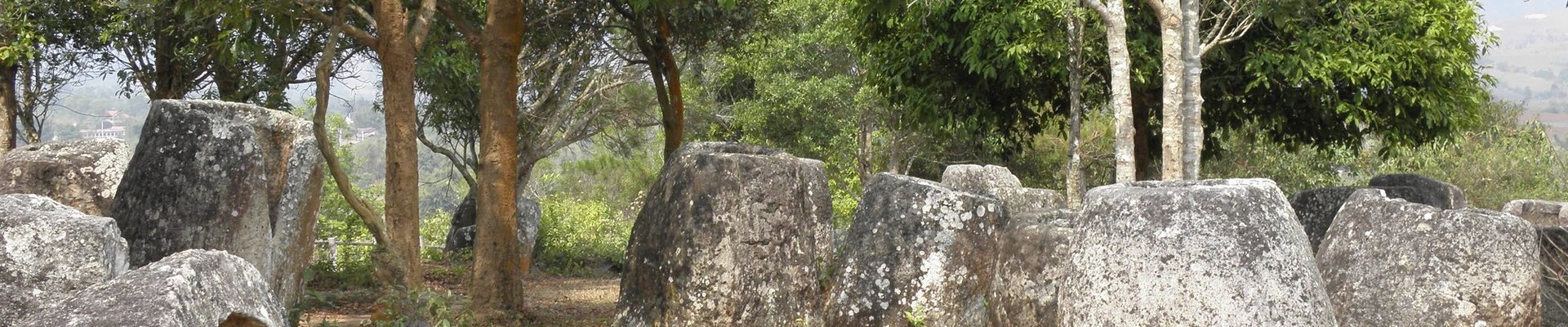
"In the past, looting has been a factor affecting the property, and some jars were removed; however, the State Party considers that this is not a current issue." (AB Ev) – "Looting has been an issue both historically and in the current period, although no activity has been reported at any of the nominated sites in recent decades. The last known example of looting was in 2002-03 at Site 1." (Nomination file, p. 118)
-
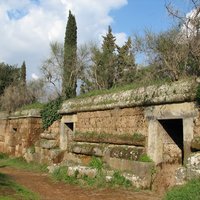
Starting in 1936, the site of the Banditaccia Necropolis in Cerveteri was abandoned and, taking advantage of this state of decay, the place was subjected to numerous clandestine excavations with the aim of finding archaeological finds to be sold privately to collectors. (Wikipedia)
-
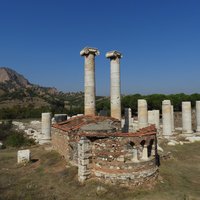
"(...) some past actions have reduced the authenticity of the property, such as (...) looting of the tumuli at Bin Tepe." (OUV)
-
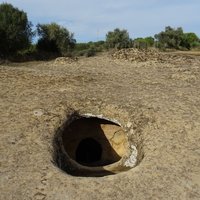
Necropolis of Anghelu Ruju: "Although, at the time of its discovery in 1903, the tombs were hidden at the ground level, since the first excavations it had been clear that part of them had been looted by explorers "at a very ancient time"". The tombs in the Necropolis of Brodu were also looted in ancient times. (Nomination file, p. 299, 313)
-
"The sites were abandoned before the 13Th century AD and modern occupation gradually uncovered the tombs, many of which were opened and looted during the 18th and 19th centuries." (OUV)
-
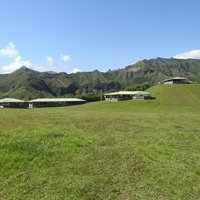
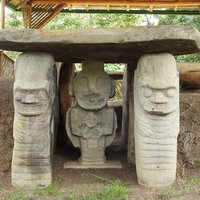
"The San Agustín archaeological sites were abandoned around 1350 AD and rediscovered during the 18th and 19th centuries, which led the looting and disturbance of most of the monumental tombs while looking for grave goods which proved to be very scant." (OUV)
-
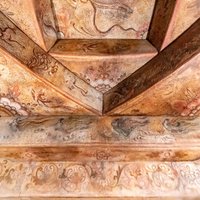
"some of the wall paintings in the tombs were damaged by looting" (OUV)
-
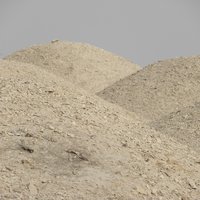
"Excavations proved that grave robbers regularly targeted the burial mounds throughout antiquity." – "Some mounds show signs of grave looting. The majority of these intrusions is believed to derive from ancient times and is hence part of the Dilmun Burial Mounds´ extraordinary history." (Nomination file, p. 131, 155)